Stop Wasting Attacks in Clash of Clans
A practical pre-attack checklist for choosing an approach before the timer controls you.
Woodshedden is a natural, practical place for clever tips, honest experiments, overlooked strategies, and lessons that help you improve at games, projects, cooking, gardening, technology, learning, and everyday life.
Every topic follows the same principle: practical improvement through experimentation, observation, and strategy.
Attack plans, deck ideas, base decisions, resource management, and hard-earned lessons.
Clash of ClansClash RoyaleBoom BeachTools, repairs, equipment, maintenance, and better ways to solve common problems.
Plant placement, indoor environments, seasonal decisions, and experiments that teach.
Bold recipes, technique improvements, ingredient fixes, and ways to rescue a meal.
Websites, apps, AI tools, computers, and approachable solutions without the jargon.
Communication, writing, research, classroom practice, and ways to learn more effectively.
A practical pre-attack checklist for choosing an approach before the timer controls you.
How leaves, soil, shade, and watering timing reveal what a plant needs.
A flavor-building method using salt, acid, heat, aroma, and finishing ingredients.
Define the real problem instead of treating only the symptom.
Identify the tempting shortcut or assumption that gets in the way.
Try a focused change and watch what actually happens.
Keep the useful lesson and turn it into a repeatable strategy.
Articles placed here by the editor for added visibility.

Kindness appears in every culture, although people may express it in different ways. A friendly gesture, respectful greeting, shared meal, patient conversation, or willingness to help can communicate care across social and cultural differences. This article explores practical ways to show kindness without assuming that everyone understands kindness in exactly the same way.
By Common Ground Contributor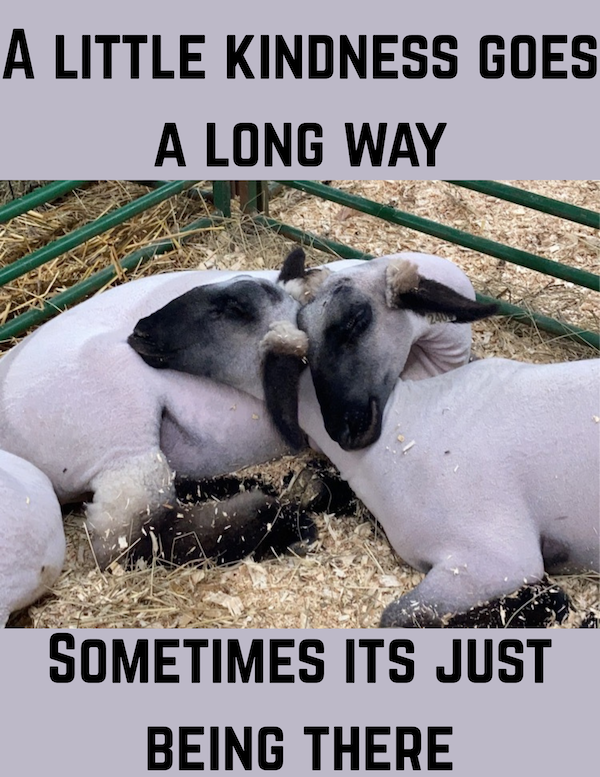
Good communication is not only about expressing ideas clearly. It also depends on listening carefully, checking assumptions, and responding in ways that show respect. This article offers practical strategies for improving everyday conversations and reducing misunderstandings.
By Happy Communicator